Body Cream vs Lotion: Which Is Best for Your Skin?
I’ll admit it, there was a time when I thought all moisturizers were the same. Cream, lotion, butter, ointment, they all sounded like fancy names for “something that keeps my skin from cracking.” But over the years, I’ve learned that there’s more science (and strategy) behind choosing the right one than most of us realize.
When your skin feels dry, tight, or flaky, your first instinct might be to grab the nearest bottle of “something moisturizing.” But here’s the truth: not all moisturizers are created equal. Creams and lotions, for example, have different formulations, textures, and purposes. Choosing the right one can make the difference between smooth, nourished skin and feeling like you’ve just slathered on a layer of grease.
In this guide, I’ll walk you through everything I’ve learned backed by science, dermatology recommendations, and yes, some personal trial and error. By the end, you’ll know exactly when to reach for a cream, when a lotion works best, and how to make the most of your skincare routine.You might also want to check out my related post on what is the best body lotion without chemicals, where I break down another common confusion.
A Quick History of Moisturizers
Moisturizing isn’t some modern obsession; it’s been around for thousands of years. Ancient Egyptians used olive oil, sesame oil, and honey to soften their skin and protect it from the desert heat. Cleopatra was even said to bathe in milk, thanks to its natural lactic acid, which exfoliates gently.

In India, Ayurvedic traditions included ghee and coconut oil as body moisturizers, often mixed with herbs for healing. Meanwhile, in Japan, women used rice bran water to keep their skin smooth and bright. Fast forward to today, and we have entire aisles dedicated to creams, lotions, gels, and butters. The formulas have become more sophisticated, but the goal is the same: hydrated, healthy-looking skin.
What Is Body Cream in Body Cream vs Lotion?
Body cream is like the heavyweight champion of moisturizers. It’s thick, rich, and packed with more oil than water. That higher oil content is what gives creams their dense, buttery texture. They’re designed to lock in moisture, create a protective barrier, and provide long-lasting hydration.
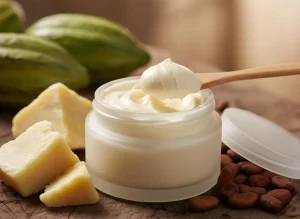
When I apply a cream, it feels almost like it’s sitting on top of the skin for a while before sinking in. That’s because creams are especially good at preventing water loss, something dermatologists call TEWL (transepidermal water loss). If your skin often feels rough, cracked, or tight, a cream is usually your best friend.
Creams are often recommended for:
- Dry to very dry skin
- Areas that take a beating (hands, feet, elbows, knees)
- Cold or windy weather
- Nighttime routines when your skin repairs itself
Popular ingredients in creams:
- Shea butter
- Cocoa butter
- Petrolatum
- Mineral oil
- Ceramides
- Lanolin
What Is Body Lotion in Body Cream vs Lotion?
If cream is the heavyweight, lotion is the lightweight boxer, quick, efficient, and easy to work with. Lotions have a higher water content compared to creams, which makes them lighter, thinner, and faster-absorbing.
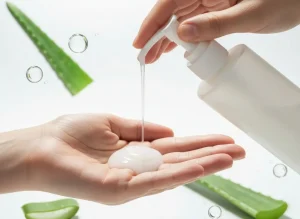
I usually reach for lotion when I don’t want to feel sticky or greasy, especially in the morning when I need to get dressed fast. Lotions spread easily, making them perfect for covering larger areas like arms and legs.
Lotions are often recommended for:
- Normal to mildly dry skin
- Oily or acne-prone skin
- Hot or humid climates
- Daytime use (since they absorb quickly)
Popular ingredients in lotions:
- Glycerin
- Aloe vera
- Hyaluronic acid
- Lightweight oils (like jojoba or sunflower oil)
Key Differences Between Body Cream vs Lotion
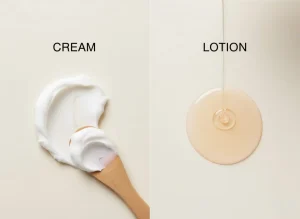
Now that we’ve broken down what each one is, let’s highlight the key differences:
- Texture & Thickness
- Cream: Thick, rich, heavy
- Lotion: Light, fluid, fast-absorbing
- Oil-to-Water Ratio
- Cream: Higher oil, lower water
- Lotion: Higher water, lower oil
- Best For
- Cream: Very dry skin, harsh weather, rough areas
- Lotion: Normal/oily skin, humid weather, daily use
- Longevity
- Cream: Lasts longer, stays on skin
- Lotion: Absorbs faster, needs reapplication
- Feel on Skin
- Cream: Slightly greasy or occlusive at first
- Lotion: Light, non-greasy finish
Think of it this way: Cream is like a warm winter blanket. Lotion is like a breathable summer sheet.
Which One Is Better for Your Skin Type?
This is the million-dollar question. The answer? It depends on your skin type and lifestyle.
- Dry skin → Cream. It’s richer and provides lasting relief.
- Oily skin → Lotion. Lightweight, won’t clog pores.
- Combination skin → Lotion for T-zone, cream for dry patches.
- Sensitive skin → Look for both types with calming ingredients like ceramides, oatmeal, or aloe.
- Aging skin → Cream with ingredients like hyaluronic acid, peptides, or retinol for extra support.
Pro tip: If you’re confused, you don’t always have to choose one. Many people (including me) use lotion in the morning and cream at night.
Comparison Table: Cream vs. Lotion
| Feature | Body Cream 🧴 | Body Lotion 💧 |
| Texture | Thick & rich | Light & fluid |
| Oil-to-Water Ratio | Higher oil | Higher water |
| Hydration Level | Intense | Moderate |
| Best Season | Winter & cold climates | Summer & humid climates |
| Skin Type | Dry, sensitive, mature | Normal, oily, combination |
| Absorption | Slower | Faster |
| Best Use | Small/dry areas (elbows, hands, feet) | Large areas (arms, legs, hairy skin) |
How to Choose the Right One
So how do you pick the right formula for your unique needs? Here’s my simple checklist:
- Read the label carefully. Look for terms like “non-comedogenic” if you have acne-prone skin, or “fragrance-free” if you’re sensitive.
- Match to your skin type. Dry skin? Go for cream. Oily? Stick with lotion.
- Consider the season. Cream in winter, lotion in summer.
- Think about the application area. Feet and elbows? Cream. Arms and back? Lotion.
- Pay attention to ingredients. Glycerin, hyaluronic acid, shea butter, and ceramides are always solid choices.
Best by Body Location
Different body parts have different needs. Here’s how I break it down:
- Hands: Cream (they face constant washing and exposure).
- Feet: Cream (thicker barrier needed for cracked heels).
- Arms & Legs: Lotion (easy to spread and absorbs fast).
- Face: Depends on your skin type—light lotion for oily skin, rich cream for dry/aging skin.
- Scalp or hairy areas: Lotion (won’t leave buildup).
Best by Skin Concern
- Eczema: Cream with ceramides, shea butter, and oatmeal.
- Psoriasis: Cream or ointment to lock in hydration.
- Acne-prone skin: Lightweight lotion labeled “oil-free” or “non-comedogenic.”
- Aging skin: Cream with hyaluronic acid, peptides, or niacinamide.
- Seasonal dryness: Cream in winter, lotion in summer.
Lifestyle Tips to Maximize Results
- Apply moisturizer within 2–3 minutes after showering to lock in water.
- Don’t forget your neck, elbows, and knees—they age faster than you think.
- For super dry hands or feet, apply cream at night and wear cotton gloves or socks to help absorption.
- Pair moisturizer with sunscreen in the morning (yes, always!).
- Stay hydrated from the inside. No cream can fix dehydration if you’re not drinking enough water.
FAQs
- Can I use lotion on my face?
Yes, if it’s labeled for facial use and matches your skin type. Otherwise, stick to products made for the face. - Is cream always better than lotion?
Not always. Cream works better for dryness, but lotion is more comfortable in hot weather. - Can I use both cream and lotion?
Absolutely! Lotion in the morning, cream at night is a popular routine. - Is lotion good for oily skin?
Yes. Choose an oil-free, lightweight lotion to hydrate without clogging pores. - Should I moisturize even if my skin feels oily?
Yes, oily skin still needs hydration. Avoiding it might cause your skin to release more oil. - How often should I apply cream or lotion?
At least once daily, but twice (morning and night) is better for lasting results. - Can I use body cream on my face?
Not recommended. Facial skin is more delicate and needs specific formulations. - Do creams and lotions expire?
Yes. Most are good for 12–24 months after opening. Check the packaging. - Can men use body creams and lotions too?
Of course! Skin is skin—hydration doesn’t have a gender. - Which works better for winter skin?
Cream, hands down. Its thicker texture helps protect against harsh weather. - Do natural oils replace lotion or cream?
They can help, but oils don’t provide the same water content. A mix of both works best. - What’s better after shaving—cream or lotion?
A soothing lotion with aloe or chamomile feels lighter and calms irritation.
Final Thoughts
At the end of the day, choosing between body cream and lotion isn’t about “better or worse.” It’s about what your skin needs, where you live, and how you like your skin to feel. For me, lotions are my go-to in the morning or hot months, while creams are my cozy companions in winter or whenever my skin screams for extra care.
The trick is listening to your skin always tells you what it needs. And once you find the right match, you’ll never look at that skincare aisle the same way again.