Best Moisturizers for Dry Skin to Stay Soft and Smooth

Dryness doesn’t just appear quietly; it makes its presence known. When you look in a mirror, what do you see, feel, and think? What are the best moisturizers for dry skin?” Then you understand what I mean. For me, this often shows up during colder months or after a week of over-cleansing. The tightness, the itch, and the lackluster appearance aren’t just minor annoyances. They affect confidence, makeup application, and even the simple pleasure of touching your own face.
Over the years, I’ve learned that effective hydration is about more than looking good; it’s about feeling comfortable in your own body. I’ve always believed that a good moisturizer isn’t just about looking nice. It’s about feeling comfortable in your own body. It isn’t necessarily about buying the most luxurious product or the one with the fanciest label. The goal is finding a formula that delivers long-lasting comfort, fortifies your protective barrier, and keeps you feeling refreshed without constant reapplication. What works wonders for one person might not suit someone else, and that’s perfectly normal.

For more product recommendations that suit dry and aging skin, see our guide on Best Moisturizer for Dry Aging Skin.
What Causes Dryness — and How the Best Moisturizers for Dry Skin Can Help
Many people assume dryness is simply the result of skipping moisturizer, but it’s far more complex. It’s influenced by biology, environmental factors, and lifestyle, and often these elements combine in ways that leave your complexion vulnerable.
Here are t

he primary contributors I’ve observed:
- Natural Oil Production Decreases
During youth, oil glands keep the surface naturally hydrated. By the 30s and 40s, sebum production slows down. This reduction in natural lubrication often leaves the surface feeling tight, rough, and more prone to flakiness.
- Weak or Compromised Barrier
Your protective layer functions like a gatekeeper: it keeps moisture in and harmful elements out. Harsh cleansers, environmental stress, or even daily stress can compromise this barrier, allowing water to escape more easily. Even with adequate hydration from the inside, the face can feel dry and tight.
- Slower Cell Turnover
As time passes, the body sheds dead cells less efficiently. This leads to rough patches and a lack of smoothness. Over-exfoliation can worsen the problem, so gentle methods are often more effective.
- Environmental Stressors
Cold air, indoor heating, pollution, and even long flights can rapidly dehydrate your surface layers. Hot showers and chlorinated pools also strip essential moisture, leaving the complexion vulnerable.
- Lifestyle Influences
Diet, hydration, sleep, and caffeine intake all play a role. On days when I skimp on water or lose sleep, the tight, uncomfortable feeling is impossible to ignore. Even everyday habits like using foamy cleansers can exacerbate dryness.
Takeaway:
Dryness is multifaceted. It isn’t solely about what you apply externally. Understanding the root causes helps you choose products that genuinely restore comfort and resilience.
Early Signs of Dry Skin and the Role of the Best Hydrating Moisturizers

Knowing when your face needs extra hydration is essential. Some signs are subtle, while others demand immediate attention. Here’s what I’ve learned to look for:
- Tightness After Washing: If your face feels stretched after cleansing, it’s a sign that natural oils have been stripped and moisture is escaping.
- Flakiness and Rough Areas: Small patches around the nose, chin, or forehead indicate that your surface layers are dehydrated.
- Dull or Lifeless Appearance: Lack of hydration can make your face appear flat, even when well-rested. Makeup may cling unevenly.
- Irritation or Sensitivity: A weakened barrier can make your face more reactive to fabrics, products, or weather changes.
- Exaggerated Fine Lines: Dehydration accentuates lines that would otherwise be subtle.
- Redness or Stinging: Insufficient moisture makes the surface more susceptible to irritation, leading to discomfort and uneven tone.
Think of these indicators as dashboard lights. Not addressing them can make the issue worse, but making changes proactively, such as picking a thicker formula, adding layers of moisture, or adding humectants like hyaluronic acid, can restore balance.
Ingredients That Deliver Real Results
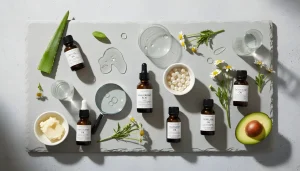
The beauty industry loves glossy packaging and bold claims, but the real difference lies in the formula. Understanding which components help can save both money and frustration.
Humectants: Hyaluronic Acid & Glycerin
Humectants pull water into the outer layers, helping to maintain softness and plumpness. Hyaluronic acid is a superstar, able to hold up to 1,000 times its weight in water. Glycerin works similarly, attracting and retaining moisture without feeling heavy. Together, they restore elasticity and improve texture.
Barrier Boosters: Ceramides
Ceramides function like mortar between bricks, reinforcing the protective layer. These chemicals are neutralized by vitamins C and E and green tea extract, which helps keep your skin looking brighter and healthier.
Peptides: Strength & Firmness
Peptides stimulate collagen production over time, improving resilience and elasticity. They don’t offer immediate results but provide long-term support against sagging or loss of firmness.
Emollients: Shea Butter & Natural Oils
Rich fats like shea butter and oils (jojoba, almond, avocado) soothe rough patches, mimic natural oils, and lock in hydration. They’re particularly effective during colder months or on areas prone to flaking.
Niacinamide: The Multitasker
Vitamin B3 strengthens the barrier, enhances tone, reduces redness, and improves overall resilience. It works well for both dry and sensitive complexions without irritation.
Antioxidants: Defense Against Environmental Stress
Free radicals from pollution, UV exposure, and stress can accelerate aging and dryness. Ingredients like Vitamin C, E, and green tea extract neutralize these molecules, helping maintain a brighter and healthier appearance.
Avoid: Fragrances, drying alcohols, or harsh additives that can undo hydration and irritate the surface.
How to Choose the Right Moisturizer

Creams vs. Lotions vs. Gels
- Lotions: Light, water-rich, good for layering or warmer climates, but may evaporate quickly.
- Creams: Thicker, emollient-rich, ideal for persistent dryness, winter months, or nighttime use.
- Gels: Lightweight, absorb quickly, suitable for layering under makeup or SPF.
Morning routine: lighter lotion or gel. Evening: thicker cream or body butter.
The Benefits of Fragrance-Free Ingredients in the Best Moisturizers for Dry Skin
Even “natural” scents can irritate sensitive surfaces. Fragrance-free formulas allow active ingredients to work efficiently without distraction.
Look for Key Functional Ingredients
- Humectants draw moisture in.
- Emollients smooth rough areas.
- Occlusives prevent water loss.
A combination of these is the most effective strategy for long-lasting hydration.
Non-Comedogenic Options
Even dry surfaces can experience congestion. Non-comedogenic products prevent clogged pores while delivering hydration.
SPF Matters
UV damage worsens dryness and accelerates aging. Moisturizers with mineral SPF protect while maintaining moisture.
Seasonal Adjustments
Winter: thick creams or butter-rich products.
Summer: lighter lotions or gels to avoid heaviness.
Patch Testing
Always test a small amount on the inner arm or jawline. Observe for 24–48 hours to avoid irritation.
Testing Strategies
Patch Testing
Apply a small portion on a discreet area to check for sensitivity. Even mild, fragrance-free products may react to certain actives.
Timing and Application
Apply immediately after cleansing while the surface is slightly damp. Layer light lotion with SPF during the day and richer creams at night.
Consistency Over Quantity
Twice daily is optimal. On dry, cold days, extra layers on hands, elbows, and prone areas prevent discomfort.
Signs of Success
- Soft, comfortable surface
- Reduced flakes
- Decreased redness or tightness
- Healthy, subtle glow
Adjust as needed with seasonal changes, stress, or lifestyle shifts.
Lifestyle Habits That Boost the Effect of the Best Moisturizers for Dry Skin

- Stay Hydrated: Drinking sufficient water supports internal moisture balance.
- Balanced Diet: Foods rich in omega-3s, vitamins, and antioxidants enhance surface hydration.
- Sleep & Stress Management: Adequate rest and stress reduction improve barrier function.
- Avoid Harsh Cleansers: Mild, creamy formulas help preserve natural oils.
- Moderate Hot Showers: Hot water strips natural moisture; lukewarm is kinder.
Personal Routine Example
Morning: Gentle cleanser → Hydrating serum → Ceramide-rich cream → Mineral SPF
Evening: Rich cream or oil-based formula to seal hydration
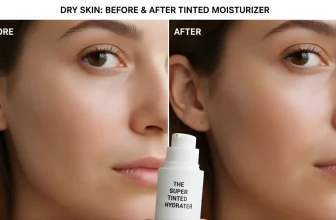
Daytime Options: Tinted moisturizer for coverage and hydration
Pros and Cons of Using the Best Moisturizers for Dry Skin
Even the most effective moisturizers have both strengths and limitations. Understanding these helps you set realistic expectations and find a product that truly supports your skin’s comfort and health.
Pros
-
Instant Relief from Tightness – Quality moisturizers replenish lost hydration, easing that uncomfortable, stretched feeling immediately after application.
-
Restores Barrier Function – Ingredients like ceramides, glycerin, and hyaluronic acid help rebuild your protective layer and prevent moisture loss.
-
Improves Skin Texture – Regular use softens rough patches and flakiness, leaving your skin smoother and more supple to the touch.
-
Enhances Radiance – Well-hydrated skin naturally reflects light better, giving your complexion a healthy, luminous glow.
-
Supports Makeup Application – Smooth, hydrated skin provides a better base for foundation, helping makeup apply evenly and last longer.
-
Reduces Sensitivity – By strengthening the barrier, moisturizers make skin less reactive to temperature changes, wind, and pollution.
-
Long-Term Protection – Consistent use can delay visible signs of aging, such as fine lines and dullness, while maintaining elasticity and comfort.
Cons
-
Risk of Over-Moisturizing – Applying too much or too often can make skin feel greasy or clog pores, especially if formulas are too rich for your type.
-
Possible Ingredient Sensitivities – Fragrances, alcohols, or certain actives may cause irritation, particularly for sensitive or compromised skin.
-
Short-Term Results with Low-Quality Products – Some moisturizers provide temporary softness but lack ingredients that deliver deeper, lasting hydration.
-
Cost Variations – Highly effective products with advanced actives or dermatological backing can be expensive, which may limit accessibility.
-
Adjustment Period – When switching products, your skin might need time to adapt, especially if you’re introducing richer or more potent formulas.
Frequently Asked Questions (FAQ)
- How can I tell if dryness is affecting my overall complexion?
Look for tightness, flakiness, dullness, redness, and exaggerated fine lines. These indicators often reveal dehydration before it becomes severe. - Can I use one product for face and body?
While possible, facial products are lighter to prevent clogged pores. Body creams are richer for thicker areas. Using different formulas ensures effective hydration. - Are fragrance-free products really better?
Yes. Fragrance-free formulas reduce irritation risk and allow actives to work efficiently. - How often should I apply moisturizer?
Twice daily is ideal. On extremely dry days, add a midday touch-up. Consistency beats quantity. - Are natural oils effective?
Yes. Jojoba, almond, and avocado oils mimic natural oils and lock in moisture. - Does dryness worsen fine lines?
Dehydration accentuates lines; proper hydration softens and smooths the appearance. - Should I worry about SPF?
Even dry complexions need UV protection. Mineral SPF options are gentle and effective. - How do I test new products safely?
Patch test on the wrist or jawline for 24–48 hours before full application. - Are heavier creams always better?
Not always. Choose texture based on climate, time of day, and coverage needs. - Does lifestyle affect hydration?
Yes. Water intake, nutrition, sleep, stress, and cleansing habits all influence moisture levels.
Final Thoughts
Dryness can be frustrating, but it is manageable with thoughtful care. Pay attention to hydration, which draws water in, makes the barrier stronger, and shields against external stress. Avoid overly scented or harsh products that compromise comfort. The most effective method is one that works with your schedule, makes you feel good, and gives you confidence without having to keep applying it.
Hydration isn’t just about appearance; it’s about comfort, resilience, and daily confidence. Invest time in understanding your needs, testing products, and adjusting routines seasonally. With consistent care, even the driest complexions can feel soft, balanced, and radiant.