Best Moisturizer for Dry Aging Skin for a Youthful Glow
If you’ve ever stared at your reflection and noticed your face feeling tight, flaky, or dull, despite drinking plenty of water, you are not alone. As we age, the skin’s natural ability to retain moisture diminishes. Protective oils that once kept the surface soft and resilient begin to decline, fine lines become more noticeable, and that youthful radiance doesn’t return as effortlessly as it once did. For many, these changes mark some of the first visible signs of maturity. I’ll share the best moisturizer for dry aging skin.
The encouraging news? You don’t have to accept dryness or a lack of confidence. Using the right hydration formula can restore softness, smoothness, and glow, even if your natural defenses feel weaker than before. Moisturizing should be viewed as a daily essential rather than a cosmetic luxury. Like brushing your teeth or drinking enough water, applying a proper product consistently makes a noticeable difference in how your face feels today and how it will look in years to come.

Choosing a formula that goes beyond “basic hydration” is crucial. The most effective creams or lotions for mature, moisture-deprived skin do more than soften temporarily; they reinforce the protective surface, lock in water, and help the complexion resist environmental stressors. Yet, with countless jars, tubes, and bottles on the market, knowing which ones actually work can be overwhelming.
In this guide, I’ll share everything you need to know: why dryness increases with age, the ingredients that truly make a difference, product types suited for various needs, effective application strategies, and additional habits that support long-term skin health.Let’s make this practical, detailed, and easy to follow without overcomplicating things.For more product recommendations that suit dry and aging skin, see our guide on moisturizers for dry skin.
Why Hydration Matters for Dry, Mature Skin

When your face feels tight or rough, it’s more than a cosmetic concern’s a sign that the outermost layer is struggling. This surface, often compared to a brick wall, protects the layers beneath from pollutants, irritants, and water loss. The “bricks” are the cells, while the “mortar” is a blend of natural oils and lipids that holds everything together.
When this barrier weakens, two main problems arise simultaneously:
- Moisture escapes more quickly, leaving the skin dehydrated and dull.
- Environmental aggressors penetrate more easily, causing redness, sensitivity, or flare-ups, particularly for those with eczema or other reactive conditions.
A thoughtfully formulated cream or lotion addresses all three of these concerns:
Restores Hydration
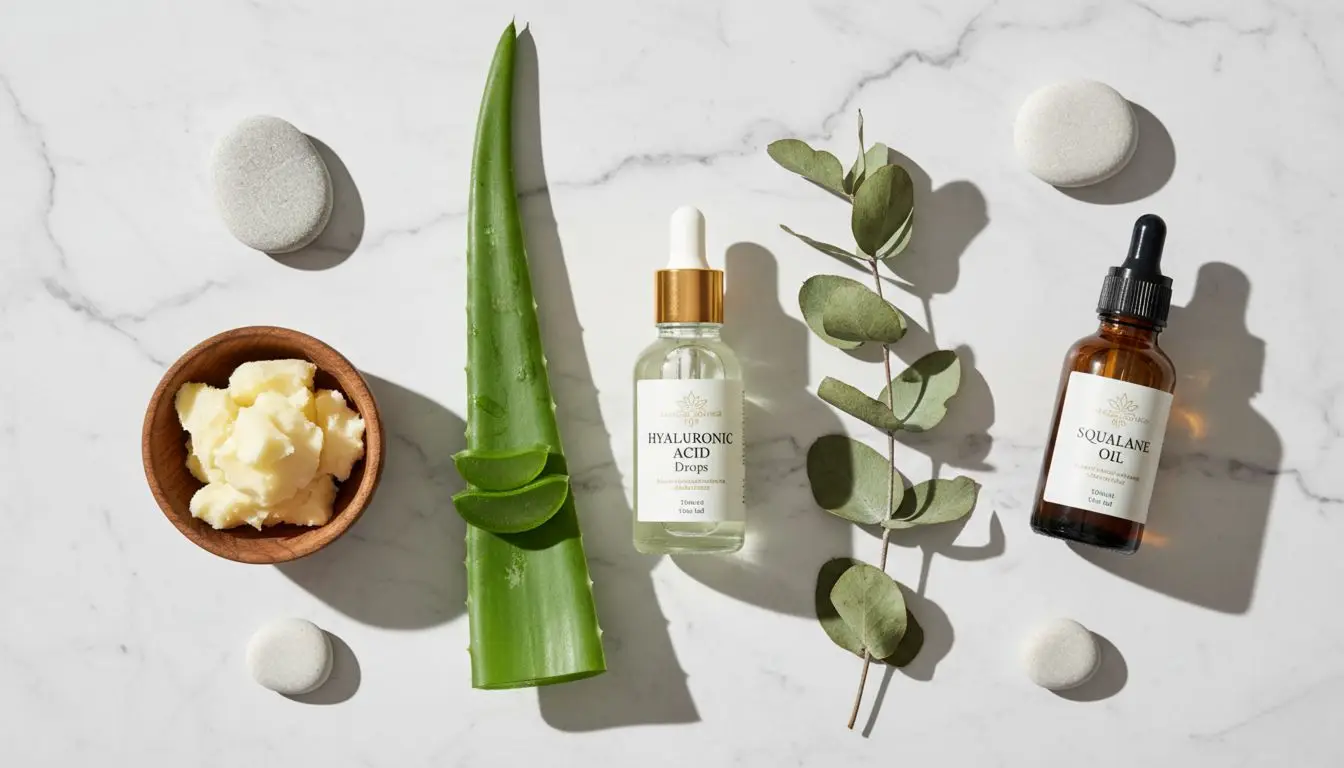
Actives such as hyaluronic acid, glycerin, and urea attract water to the surface, replenishing moisture and helping the skin feel supple. Think of them as magnets that pull water where it’s needed most.
Locks Water In
Emollients like shea butter, squalane, and ceramides create a protective layer that seals in hydration and repairs minor barrier damage. Without this step, any moisture added to the skin will simply evaporate.
Protects Against Future Stress
Some formulas include antioxidants, peptides, or vitamins that combat environmental aggressors, reducing the long-term effects of sun exposure, pollution, and free radicals. Over time, this helps minimize fine lines and prevent irritation.
Everyday Benefits You’ll Notice
- Comfort: No more tightness or itchiness after cleansing
- Smoothness: Makeup glides on evenly without clinging to flakes
- Resilience: Skin reacts less to temperature changes or dry indoor air
- Glow: Regular use restores a natural, healthy radiance
Best Moisturizer for Dry Aging Skin, Long-Term Payoff
Consistent use of a well-chosen product can delay the appearance of fine lines, reduce rough texture, and minimize sensitivity. Think of it as daily insurance for your complexion: small effort now, significant benefits later.

Why Retaining Moisture Becomes More Challenging
As we age, the skin loses oils that help lock in water. Collagen production declines, elasticity diminishes, and moisture dissipates more quickly. The result is a rougher, less radiant surface.
Many people say, “I drink plenty of water, why am I still dry?” While hydration is important internally, water alone doesn’t restore surface moisture. Maintaining a strong barrier is what truly keeps the skin hydrated and healthy. When it weakens, water escapes, irritants penetrate, and the cycle of dryness continues.
Signs that your protective layer needs extra support include:
- Fine lines appear more pronounced
- Flaky spots that resist makeup
- Tightness after washing or showering
- Dullness even with adequate rest and nutrition
This is not vanity; it’s about preserving the skin’s ability to protect and function properly.
My Checklist for an Effective Hydration Formula
Not every attractive jar deserves a place on your shelf. Ingredients matter far more than price, celebrity endorsements, or packaging. Here’s what I look for:
- Hydrators: Pull water to the surface. Hyaluronic acid, glycerin, lactic acid, and urea are essentials.
- Sealers: Prevent moisture loss. Petrolatum, dimethicone, lanolin, and shea butter are strong choices.
- Softeners: Smooth rough or flaky areas. Ceramides, squalane, and mineral oils work well.
A product containing at least one ingredient from each category is likely to provide noticeable results.
Cream, Lotion, or Gel: Which Is Best?
- Creams: Thick, long-lasting, ideal for very dry areas and mature skin.
- Lotions: Lighter, faster-absorbing, great for daytime or when a non-greasy feel is preferred.
- Gels: Refreshing and weightless, perfect for combination or younger skin; less effective for extreme dryness.
My personal approach: heavier creams at night for intense hydration, lighter lotions in the morning under sunscreen, and gels during humid months. I avoid scented formulas on the face, as fragrances often trigger irritation.
Recommended Best Moisturizer for Dry Aging Skin Hydration Products
- CeraVe Moisturizing Cream – Rich in ceramides and hyaluronic acid; works for face and body
- La Roche-Posay Toleriane Double Repair – Lightweight, niacinamide for barrier support
- Eucerin Advanced Repair Cream – Lactic acid smooths rough patches; excellent overnight
- Avène Hydrance Rich Cream – Gentle for sensitive types; smooth texture
- Neutrogena Hydro Boost Gel-Cream – Lightweight, hyaluronic acid, ideal for daytime
- Cetaphil Rich Hydrating Night Cream – Affordable, non-greasy overnight care
- Olay Regenerist Micro-Sculpting Cream – Peptides for firmness, suitable for day/night
- First Aid Beauty Ultra Repair Cream – Calms irritation, thick but non-sticky
How I Apply Products for Maximum Effect
Using a cream correctly can make a huge difference. Over time, I’ve refined my technique:
- Apply to slightly damp skin: Locks in water for better absorption.
- Layer Strategically: Apply lighter serums first and richer creams last to prevent pilling.
- Use the Right Amount: Nickel-sized portion for the face, extra for neck, chest, and dry spots.
- Gentle Motion: Press and glide upward on the face; pat around sensitive areas.
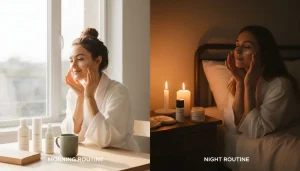
- Day vs. Night: Light, fast-absorbing products for the day; thicker, nourishing formulas at night.
- Cover All Vulnerable Areas: Don’t stop at the jawline, include neck, chest, and hands.
- Seal When Needed: Add a thin layer of oil or balm in extreme dryness or cold weather.
- Consistency Is Key: Twice daily application ensures long-term benefits.
- Adapt to Conditions: Adjust texture or richness according to humidity and temperature.
- Combine with Healthy Habits: Lukewarm showers, adequate water, humidifiers, and gentle cleansing amplify results.
Additional Habits to Support Hydration
- Take shorter, lukewarm showers
- Maintain internal hydration through water and nutrient-rich foods
- Use a humidifier in dry environments
- Exfoliate gently once a week to prevent barrier disruption
- Opt for mild cleansers over harsh foaming soaps
Small adjustments like these enhance the impact of any product.
Bonus Ingredients to Consider
- Retinol: Improves texture and smooths fine lines; introduce gradually.
- Peptides: Promote firmness and resilience.
- Vitamin C: Brightens overall tone.
- SPF: Essential in daytime formulas for long-term protection.
Pros and Cons of Using the Best Moisturizer for Dry Aging Skin
Even the most effective moisturizer has its strengths and limitations. Understanding both helps you set realistic expectations and choose what truly benefits your skin.
Pros
-
Deep Hydration – Quality moisturizers restore and lock in moisture, relieving tightness and flakiness almost immediately.
-
Improved Elasticity – Consistent use helps plump fine lines and supports the skin’s natural bounce and firmness.
-
Barrier Strengthening – Ingredients like ceramides and peptides reinforce the skin’s outer layer, improving resilience against dryness and irritation.
-
Enhanced Radiance – Hydrated skin reflects light better, restoring that youthful glow many feel they’ve lost with age.
-
Better Makeup Application – Smooth, moisturized skin creates a flawless base, helping foundation and concealer glide on evenly.
-
Long-Term Skin Health – Prevents moisture loss, environmental damage, and premature aging signs when used consistently.
Cons
-
Potential for Overuse – Applying too much product can clog pores or feel greasy, especially in humid climates.
-
Sensitivity to Ingredients – Fragrances, essential oils, or certain actives may irritate sensitive or reactive skin types.
-
Varied Effectiveness – Not every “anti-aging” or “hydrating” claim lives up to expectations; results depend on formulation and consistency.
-
Higher Cost for Premium Options – Some of the most effective moisturizers can be pricey, particularly those with advanced ingredients like peptides or antioxidants.
-
Adjustment Period – Skin may need time to adapt, especially when introducing rich creams or formulas with actives like retinol.
Frequently Asked Questions
- Do men need different formulas?
Not necessarily. Men and women can often use the same creams or lotions. The main differences are usually texture preferences or fragrance. - Is natural always better?
No. “Natural” doesn’t guarantee safety or effectiveness. Choose ingredients backed by research. - Can expensive products do more?
Price isn’t a reliable indicator. Focus on formulation rather than label. - How often should I apply?
Twice daily, more if skin is extremely dry or climate is harsh. - What if nothing seems to work?
Consult a dermatologist. Persistent dryness or irritation may indicate underlying issues. - Can I mix creams and serums?
Yes, apply lighter, water-based formulas first, then heavier creams. Avoid combining too many actives at once. - Should I adjust products seasonally?
Yes. Richer textures for dry winter months, lighter formulas in summer. - Can lifestyle changes improve dryness?
Absolutely. Hydration, nutrition, and gentle cleansing complement topical care. - Is the same product suitable for the face and body?
Not always. Face skin is thinner and more sensitive; body skin can tolerate richer creams. - Can creams be used under makeup?
Yes, but select a lightweight, fast-absorbing option to prevent sliding. - How long to see results?
Immediate hydration is noticeable, but texture, barrier strength, and glow improve over 2–4 weeks with consistent use.
Final Thoughts
Dryness can feel discouraging, particularly as skin matures. A consistent routine with the right products changes everything. Effective hydration isn’t about hype or luxury’s about real ingredients, proper technique, and dedication.
Choosing a formula that nourishes deeply, strengthens the surface, and supports long-term resilience doesn’t just alleviate today’s dryness; it invests in the appearance and comfort of your skin for years to come. Think of hydration as a foundation: everything else, from serums to sunscreen, performs better on a balanced base.
Healthy-looking skin doesn’t need to be complicated. Select what suits your needs, apply carefully, and make it a daily habit. Over time, smoother texture, restored comfort, and natural radiance become visible.
The “best” option isn’t necessarily the most expensive’s the one that helps you feel confident, comfortable, and healthy in your own skin every day.