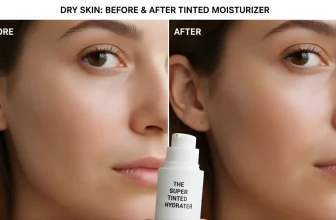
How Much Moisturizer Should I Use for Each Skin Type

Raise your hand if you’ve ever scooped out a random amount of moisturizer, rubbed it all over your face, and then stared at the mirror wondering, “Was that too much… or not enough?”
Don’t worry, you’re not alone. Finding the perfect amount can feel like trying to guess how much rice to cook without a measuring cup; you just eyeball it and hope for the best. But here’s the truth: using too little moisturizer won’t give your skin enough hydration, while overdoing it can clog pores, make your face greasy, and waste product. So u have to know how much moisturizer should i use? The tricky part? Everyone’s skin behaves differently. What feels perfect for one person might be way too heavy for another.

This guide breaks it all down in the simplest way possible, from how your skin type, age, and environment influence your moisturizer needs, to how much to apply for your face, neck, and body. By the end, you’ll have a crystal-clear idea of how to use moisturizer effectively, no guesswork, no greasy aftermath, just healthy, balanced skin that feels right.
If you want to explore other resources, check out my guide on face products for sensitive skin. It’s a great place to start.
Why Moisturizer Matters (More Than You Might Think)
Let’s start with the basics. Moisturizer isn’t just about “soft” or “glowy” skin; it’s about protecting, balancing, and maintaining your skin barrier, which is your body’s first line of defense against environmental stressors.
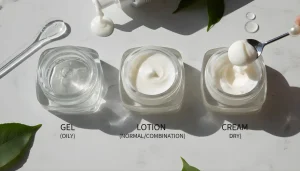
Here’s what a good moisturizer really does:
- Locks in hydration: Prevents water from evaporating from the skin (a process known as transepidermal water loss).
- Supports the barrier: Keeps out pollutants, bacteria, and irritants that can cause inflammation.
- Balances oil production: Even oily or acne-prone skin benefits. Without moisture, the skin compensates by producing more sebum.
- Improves elasticity: Hydrated skin stays smoother and plumper, which helps reduce the appearance of fine lines.
- Boosts performance of other products: When you apply moisturizer after serums, it seals them in and helps the active ingredients work more effectively.
In other words, skipping moisturizer is like skipping the bread in a sandwich. The whole structure falls apart.
What Determines How Much Moisturizer You Actually Need
There’s no one-size-fits-all answer. How much moisturizer you should use depends on several personal and environmental factors:
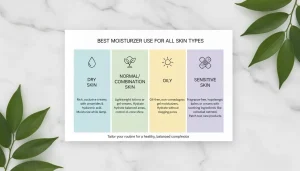
Skin Type: Each skin type absorbs and retains moisture differently:
- Dry Skin: Naturally lacks oil and moisture. Needs richer, thicker formulas and a slightly larger amount.
- Oily Skin: Produces excess sebum. Requires lightweight, non-greasy formulas and a smaller amount.
- Combination Skin: Has both dry and oily areas. Needs a balanced approach, a bit more on dry spots, less on oily zones.
- Normal Skin: Already well-balanced, so a moderate amount is perfect.
- Sensitive Skin: Easily irritated, so use soothing formulas and apply a small amount first to test tolerance.
Climate and Environment
Your moisturizer needs to shift with the seasons and your surroundings.
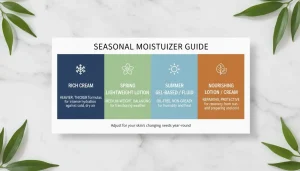
- Cold, dry air: You’ll need a thicker layer or more frequent application.
- Hot, humid weather: Go lighter; your skin naturally retains more moisture.
- Indoor heating or air conditioning: Both pull moisture from the air, leaving skin parched. Adjust accordingly.
Age and Skin Maturity
As we age, our skin produces less natural oil and becomes thinner, meaning it loses hydration faster.
- Teens and 20s often need less product.
- In your 30s, skin benefits from a bit more hydration.
- In your 40s and beyond, slightly richer formulas and more generous application make a big difference.
Texture and Formula:
Not all moisturizers are created equal.
A pea-sized amount of thick cream can deliver more hydration than a blueberry-sized amount of gel.
Here’s a quick rule of thumb:
- Gel: Very light, spreads easily → smaller amount needed
- Lotion: Medium texture → moderate amount.
- Cream/Balm: Rich and dense → use sparingly.
- Your Routine and Layering
If your skincare routine includes hydrating serums, essences, or oils, you’ll need less moisturizer to lock everything in. But if your skincare is minimal, a bit more product helps compensate.
General Rules of Thumb (So You’re Not Guessing)
No need for scales or measuring spoons, think in relatable, visual terms instead:
| Area | Approximate Amount | Texture Notes |
| Face | Pea (gel/lotion) to blueberry (cream) | Adjust for season |
| Neck | Pea-sized | Don’t skip! Shows early aging |
| Body (per limb) | Quarter-sized | Heavier formula preferred |
| Hands & feet | Nickel-sized | Apply after washing or before bed |
Pro Tip: Always start small. You can add more if your skin feels tight, but you can’t take the product off once it’s on.
How Much Moisturizer to Use for Each Skin Type
Let’s make it practical and specific.
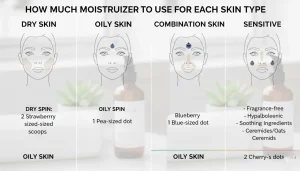
Dry Skin
- Amount: About the size of a blueberry.
- Texture: Cream or balm with ceramides, shea butter, or glycerin.
- Tip: Press gently into the skin rather than rubbing it helps avoid irritation and boosts absorption.
Oily Skin
- Amount: Small pea-sized dab.
- Texture: Lightweight gel or oil-free lotion.
- Tip: Focus on drier areas like cheeks; go light on your T-zone.
Combination Skin
- Amount: Start with a pea size and adjust more on cheeks, less on forehead or nose.
- Texture: Gel-cream hybrids or balancing lotions.
- Tip: You can use two types of moisturizer for different zones if needed.
Normal Skin
- Amount: Pea-to-blueberry size, depending on season.
- Texture: Light lotion or cream with hydration boosters.
- Tip: Keep your routine consistent morning and night.
Sensitive Skin
- Amount: Start with half a pea and increase slowly.
- Texture: Fragrance-free, hypoallergenic formulas with calming agents like aloe or oatmeal.
- Tip: Always apply to slightly damp skin to minimize irritation and maximize hydration.
Adjusting for Climate and Season
Even with the perfect product, your moisturizer use should change as the weather shifts.
Cold, Dry Winters
- Air holds less moisture, so your skin loses water faster.
- Switch to richer creams or layering techniques (serum + moisturizer).
- Apply twice daily if needed, especially before bed.
Hot, Humid Summers
- Sweat and natural oils keep skin hydrated, so less moisturizer is needed.
- Go for water-based gels and a lighter application.
- Stick to once-a-day moisturizing if your skin feels balanced.
Air-Conditioned or Heated Indoors
- Both environments zap moisture from the air.
- Reapply lightly during the day on dry spots (especially around eyes and mouth
During Travel
- Airplanes: Low humidity makes air extremely dry. Apply a little extra before takeoff.
- Changing climates: Adjust textures as you move. What works in coastal humidity may fail in mountain dryness.
Age-Specific Moisturizing Needs
When You’re 20s
- Amount: Small pea.
- Goal: Maintain hydration and prevent damage.
- Formula: Lightweight lotions or gels with antioxidants.
When You’re 30s
- Amount: Pea-to-blueberry.
- Goal: Boost moisture and strengthen the barrier.
- Formula: Creams with hyaluronic acid, ceramides, or peptides.
In Your 40s
- Amount: Blueberry-sized.
- Goal: Restore elasticity and smooth texture.
- Formula: Richer creams, possibly with retinol or collagen-supporting ingredients.
50s and Beyond
- Amount: Slightly more than blueberries.
- Goal: Deep nourishment and lipid replenishment.
- Formula: Emollient creams with natural oils and ceramides.
Reminder: Age isn’t the only factor; listen to your skin. If it feels tight, apply more. If greasy, ease up.
Different Areas, Different Rules
Your skin’s thickness and oil production vary across your body, so your moisturizer strategy should too.
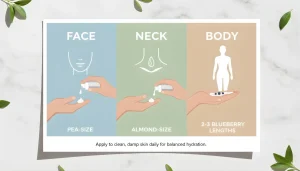
-
Face: Needs lighter, non-comedogenic formulas.
- Neck & Décolletage: Apply the same product as your face; these areas show aging early.
-
Hands: Use a nickel-sized amount after washing or before bed.
- Elbows & Knees: Apply generously to these spots lose moisture fastest.
-
Feet: Quarter-sized amount, ideally at night, with socks to lock it in.
How to Layer Moisturizer Correctly
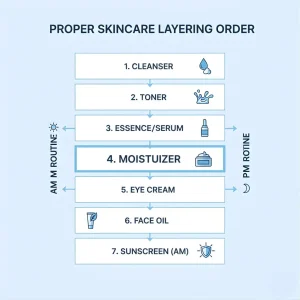
The general rule of skincare layering: thin to thick.
- Cleanser
- Toner (optional)
- Serum
- Eye cream
- Moisturizer
- Sunscreen (AM only)
If you reverse this order, lighter products won’t penetrate properly.
Pro Tip:
If you use retinol, apply moisturizer after to reduce irritation. Some people “sandwich” retinol between two thin moisturizer layers for comfort.
Common Moisturizer Mistakes (And How to Fix Them)
- Using Too Much: Causes a greasy finish and may clog pores.
- Using Too Little:
Leaves your skin feeling tight and unprotected. - Skipping Neck and Chest:
These areas age just like the face; treat them equally. - Applying to Completely Dry Skin:
Always apply when skin is slightly damp to help trap moisture. - Not Adjusting for Seasons:
You don’t need the same amount year-round. Adapt to your environment.
How to Know If You’re Using the Right Amount
You’ll know you’ve nailed it when:
- Your skin feels hydrated but not oily.
- No greasy residue remains after 10 minutes.
- Makeup applies smoothly without pilling.
- You don’t experience sudden breakouts or irritation.
Quick Test:
After application, wait 10 minutes. If your skin feels comfortable, not slick or tight, you’ve got it just right.
Frequently Asked Questions
- How often should I apply moisturizer?
Most people benefit from moisturizing twice a day, morning and evening. If your skin is oily or you live in a humid area, once daily might be enough. - Can oily skin skip moisturizer?
No. Oily skin can still be dehydrated. Skipping moisturizer can actually make your skin produce more oil to compensate. - Should I use different moisturizers for day and night?
It’s optional but helpful. Day creams tend to be lighter and include SPF, while night creams are richer for repair. - Do I need a separate moisturizer for my body?
Yes. In this case, Body skin is thicker and drier, so it benefits from heavier creams or body butters. - What happens if I never use moisturizer?
Your skin may become rough, flaky, or more prone to irritation and premature aging.
Key Takeaways
- Start small and add more only if needed.
- Adjust for your skin type and the season.
- Apply to damp skin for best results.
- Don’t forget your neck, chest, and body.
- Care for your skin, it understands exactly what it needs.
Conclusion
Finding the right amount of moisturizer shouldn’t feel like rocket science. I’ve been through the same cycle, slathering too much, skipping it entirely, and realizing later that balance is key.
The “perfect” amount depends on your skin type, your environment, and even your age. Start small, stay consistent, and pay attention to how your skin responds. However, if it feels soft, hydrated, and balanced, you’ve found your sweet spot.
And remember, your body deserves the same care as your face. Hydrate regularly, after that adjust with the seasons, and your skin will thank you not just now, but for years to come.
If you want to dive deeper into products that work well for delicate or reactive skin types, obviously, check out my blog on face products for sensitive skin.
At the end of the day, moisturizer isn’t just about hydration; it’s about comfort, protection, and keeping your skin looking and feeling its best.
And remember, your body deserves the same care as your face. Lastly, hydrate regularly, adjust with the seasons, and your skin will thank you not just now, but for years to come.