Best Face Moisturizer for Soft and Glowing Skin
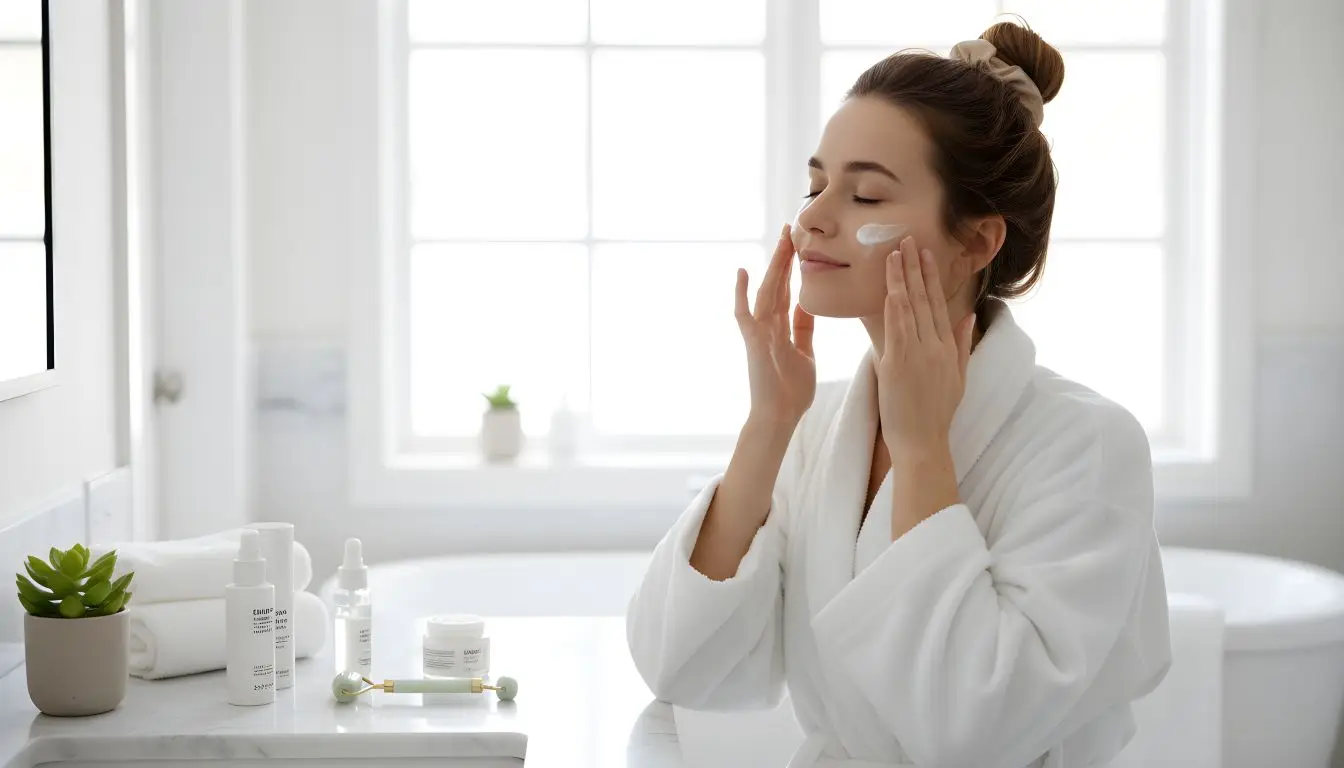
I’ll be honest, finding the right best face moisturizer sometimes feels harder than finding the perfect pair of jeans. Too oily, too dry, too sticky, too light… It’s always something. But when you do find the one that suits your skin, it’s like your face finally sends you a thank you note.
I’ve personally tested enough moisturizers to know that not every product lives up to hype. Some make me look like I’ve dunked my face in a frying pan, while others vanish faster than my patience on a Monday morning. That’s why I wanted to put together this guide to help you cut through the endless options and find what works best for your skin type.
So, if you’ve ever asked yourself, “Which moisturizer actually works for me?” you’re in the right place. Let’s dig in before your skin throws another tantrum.
History of the Best Face Moisturizer
I always find it fascinating how something we casually scoop out of a jar today actually has such a long, strange history. Moisturizers weren’t always pretty bottles sitting on a vanity. People had to get creative, sometimes too creative, if you ask me.
Let’s rewind a little. Thousands of years ago, different cultures used whatever they had on hand to keep skin from cracking or drying out. Europeans, for example, used leftover lard. Yes, actual pig fat. Not glamorous, but it did the job.
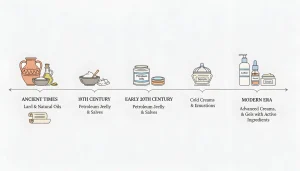
Around 200 BC, a Greek physician named Galen invented what’s considered the first “cold cream.” His recipe was simple: olive oil, water, and beeswax. Basic, but effective, and a lot less gross than lard.
Meanwhile, Aboriginal communities in Australia used emu oil taken from the fat on the bird’s back to heal dryness and arthritis. I’ll admit that one raises an eyebrow, but it shows how far humans have gone to protect their skin.
Fast forward to 1846, when Theron T. Pond, a chemist, created Pond’s Cream. He used witch hazel, which was known for healing burns and scars. That’s how it earned the nickname “vanishing cream.” Suddenly, moisturizers weren’t just about hydration; they were linked with beauty.
Then came Vaseline in 1872. It was originally a byproduct of industrial oil production, but became one of the most famous moisturizer ingredients in the 20th century. Almost every household had a tub at some point.
From animal fats and homemade oils to sleek jars packed with science-backed ingredients today, moisturizers have come a long way. Thankfully, most of us don’t have to rub lard on our faces anymore. Now we have the best face moisturizer and formulas with targeted benefits from hydration to anti-aging.
Why I Never Skip the Best Face Moisturizer in My Routine
If there’s one step in my skincare routine I refuse to skip, it’s moisturizing. I’ve learned the hard way that skipping it is like skipping breakfast; you can push through the day, but you’ll feel the effects sooner than you’d like. My skin lets me know immediately if I’ve tried to get away with it.
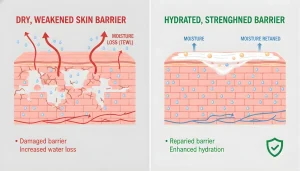
For starters, Best Face Moisturizer keeps my skin barrier happy. Without it, my face feels tight, itchy, and flaky. And makeup? Forget it. Foundation clings to every dry patch like it has a personal vendetta. No, thank you.
Moisturizer also balances my skin. A lot of people with oily skin think they can skip it, but that usually backfires. When your skin doesn’t get the hydration it needs, it produces more oil to compensate. I’ve seen this firsthand on days I tried to go “product-free.” Spoiler: my T-zone turned into a frying pan.
Another reason I never skip it is protection. A good cream acts like a shield, locking in water and keeping irritants out. Pollution, UV rays, even indoor heating or air conditioning, all mess with skin. Moisturizer keeps me calm and happy.
And then there’s the long-term game. Hydrated skin stays plumper and healthier looking over time. Fine lines appear later, and my skin just feels more resilient. I’m not chasing eternal youth, but I’d rather slow the process naturally.
For me, moisturizing isn’t optional. It’s self-care, a confidence boost, and a little insurance policy against skin drama. Skip it, and my skin reminds me quickly. Keep it consistent, and the results speak for themselves, often with a subtle glow.
What Ingredients Should You Look for If You Have Normal Skin
I’ll admit it, normal skin is a blessing. You’re not constantly battling dryness or oiliness. But don’t be fooled. Even normal skin changes with the seasons, stress, diet, and environment. Choosing the right moisturizer keeps things balanced and radiant.
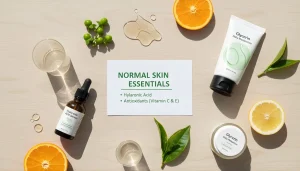
When I pick a Best Face Moisturizer for normal skin, here’s what I check for:
- Lightweight Hydrators
Normal skin doesn’t need heavy oils, but it does need steady hydration. Ingredients like glycerin and hyaluronic acid are my go-to. They pull water into the skin and lock it in, keeping everything soft without greasiness. Think of them as a glass of water for your face.
- Gentle Silicones
I know “silicone” can raise eyebrows, but ingredients like dimethicone give a silky, smooth feel without clogging pores. They’re especially great if you wear makeup, acting like a soft primer.
- Antioxidants
Even normal skin faces daily stressors like pollution and UV rays. Antioxidants such as vitamin E, green tea extract, or niacinamide create an invisible shield. They help skin stay fresh and radiant while repairing minor damage.
- Seasonal Adjustments
Normal skin can shift with weather changes. In summer, I opt for lighter gel moisturizers. In winter, I choose cream with glycerin or a touch of shea butter. It’s a small switch that makes a big difference.
- Fragrance-Free Whenever Possible
Fragrance can be irritating, even for normal skin. I avoid heavy scents unless I know my skin can tolerate them.
Pro tip: For seasonal adjustments and deeper hydration advice, check my article on the best moisturizers for dry skin.
What Ingredients Should You Look for If You Have Dry Skin
Dry skin is thirsty skin. I’ve lived through tightness after washing my face, flaky patches, and that constant craving for hydration. Choosing the right moisturizer is not about luxury; it’s about survival.
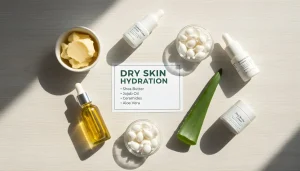
- Heavy-Duty Hydrators
Dry skin needs more than a splash of hydration. Glycerin and hyaluronic acid pull water into the skin, while rich emollients like shea butter, cocoa butter, and jojoba oil lock it in for hours.
- Ceramides
Ceramides are my holy grail for dry skin. They repair the skin barrier and prevent moisture loss. Think of them as a protective wall for your skin.
- Natural Oils
Dry skin thrives on natural oils such as avocado, almond, or squalane. They restore suppleness and shield the skin from external stress.
- Humectant + Occlusive Combo
A humectant draws water in, while an occlusive locks it in. This pairing transforms a moisturizer into a hydration powerhouse.
- Soothing Extras
Dry skin often comes with irritation. Ingredients like aloe vera, oat extract, or chamomile soothe discomfort while hydrating deeply.
- Avoid Alcohol-Heavy Formulas
Dry skin hates drying alcohol. Check labels and steer clear of formulas with alcohol denat or SD alcohol unless they have a hydration component.
I’ve written more about hydration for dry skin in my guide on how much moisturizer should i use
What Ingredients Should You Look for If You Have Oily Skin
If you have oily skin, you might think moisturizing isn’t necessary. Trust me, I’ve made that mistake more than once. But here’s the truth: skipping hydration can make your skin overproduce oil. Your skin senses dryness and tries to compensate, often making matters worse. Choosing the Best Face Moisturizer is key; you need hydration without heaviness.
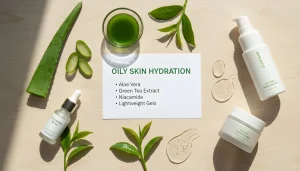
Here’s what works best:
- Water-Based Formulas
Oily skin thrives on lightweight hydration. Water-based gels or lotions absorb quickly without leaving residue. Aloe vera and glycerin are perfect examples; they hydrate without adding grease.
- Non-Comedogenic Ingredients
This is essential. “Non-comedogenic” means a product won’t clog pores, crucial for avoiding breakouts. Always check labels for this claim if you have oily or acne-prone skin.
- Gentle Exfoliants (AHAs)
Alpha Hydroxy Acids, such as glycolic acid or lactic acid, exfoliate dead skin, keeping pores clear. They help skin breathe easier while improving texture without stripping moisture.
- Lightweight Humectants
Ingredients like hyaluronic acid and sodium PCA draw water into the skin without adding oil, keeping skin balanced and hydrated without shining.
- Oil-Control Botanicals
Extracts such as green tea, cucumber, and witch hazel soothe the skin and control excess oil. They refresh skin without leaving it dry or tight.
- Minimal Heavy Oils
Heavy oils can weigh oily skin down. Instead, lightweight oils like squalane work wonders, hydrating without clogging pores.
Pro tip: Oily skin doesn’t mean your skin doesn’t need moisture; it means you need a moisturizer that balances hydration while controlling excess oil.
What Ingredients Should You Look for If You Have Aging Skin
Aging skin is a different challenge. Over time, collagen production slows, skin loses elasticity, and fine lines become more noticeable. The right moisturizer supports hydration, firmness, and skin health.
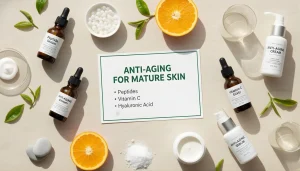
Here’s my go-to checklist for aging skin:
- Collagen-Boosting Ingredients
Peptides and Matrixyl stimulate collagen production, improving texture and firmness over time. Think of them as a gentle workout for your skin.
- Powerful Antioxidants
Vitamin C, vitamin E, green tea extract, and niacinamide combat oxidative stress and help repair damage from sun exposure. Antioxidants also give skin a radiant glow.
- Hyaluronic Acid
Superstar hydrator draws water deep into skin layers, plumping fine lines and leaving skin soft. Hyaluronic acid is a must-have for mature skin.
- Rich Emollients
Ingredients like shea butter, jojoba oil, and ceramides restore lost moisture and strengthen the skin barrier, keeping skin smooth and supple.
- Broad-Spectrum SPF
Sun protection is non-negotiable for aging skin. UV rays accelerate collagen breakdown and deepen wrinkles. Moisturizers with SPF help protect while simplifying your routine.
- Soothing Botanicals
Aloe vera, chamomile, and calendula extract calm irritation and add gentle radiance, keeping skin comfortable and glowing.
Pro tip: Think of a moisturizer for aging skin as an investment; it hydrates, protects, and nourishes over time.
What Ingredients Should You Look for If You Have Sensitive Skin
Sensitive skin requires extra care. One wrong ingredient can trigger redness, itchiness, or irritation. I’ve learned to approach moisturizing with caution, focusing on soothing, minimal formulas.
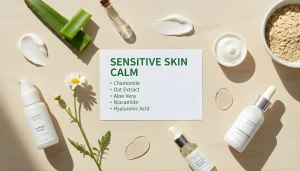
Here’s what works best:
- Minimal Ingredients
Less is more. Short ingredient lists reduce the risk of irritation. Avoid formulas with unnecessary additives.
- Fragrance-Free Formulas
Strong scents can cause reactions. Look for “fragrance-free” or “unscented” products.
- Natural Soothing Ingredients
Aloe vera, chamomile extract, calendula, and oat extract are gentle and hydrating, calming sensitivity while moisturizing deeply.
- Hypoallergenic Products
These are tested to reduce allergic reactions and are safer for sensitive skin.
- Ceramides and Fatty Acids
These strengthen the skin barrier and help lock in moisture, preventing irritation from external factors.
- Alcohol-Free Formulas
Drying alcohols strip moisture and aggravate sensitivity. Always check labels for alcohol denat or SD alcohol.
- Lightweight but Nourishing Textures
Gels or light creams hydrate without heaviness. They absorb quickly, leaving skin soft without triggering reactions.
Pro tip: Sensitive skin thrives on balance, gentle hydration with minimal irritants.
What Moisturizers Are Good For Your Skin
Choosing the right moisturizer is like picking your favorite shoes, comfort, fit, and knowing your needs matter most. I’ve tested countless products, and the right choice depends on your skin type.
Here’s my guide:
Normal Skin
- Lotus Herbals Alphamoist Alpha Hydroxy Skin Renewal Moisturizer provides gentle hydration with AHAs, a smooth finish, and travel-friendly packaging.
- Neutrogena Oil-Free Moisture for Combination Skin oil-absorbing formula, keeps skin hydrated without shine, perfect under makeup.
Dry Skin
- Lakme Maximum Moisturizer Winter Intense deep hydration with a dewy finish, ideal for winter dryness.
- The Body Shop Vitamin E Intense Moisture Cream locks in moisture, nourishes skin, is gentle, and rich.
Oily Skin
- Forest Essentials Light Hydrating Facial Gel cactus extract hydrates without heaviness, calms skin.
- e.l.f. Daily Hydration Moisturizer is lightweight, antioxidant-rich, and controls shine without clogging pores
Aging Skin
- Elemis Pro-Collagen Marine Cream boosts firmness, reduces wrinkles, enriched with Ginkgo Biloba and Chlorella.
Sensitive Skin
- Aveeno Daily Moisturizing Lotion with oat extract soothes irritation, absorbs quickly, and is gentle on skin.
Ingredient Cheat Sheet
This is a swift overview of what to seek:
- Look for: glycerin, ceramides, hyaluronic acid, aloe vera, antioxidants.
- Avoid: heavy fragrance, harsh preservatives, mineral oil if acne-prone.
When to Use the Best Face Moisturizer in Your Skincare Routine
- Apply moisturizer on damp skin for better hydration.
- Pat gently instead of rubbing aggressively.
- Switch to thicker formulas in winter.
- Use SPF daily, even with moisturizer.
- Test new products for at least two weeks.
Pros and Cons of Using the Best Face Moisturizer
Finding the best face moisturizer can truly change your skin game, but not every product works the same for everyone. Here’s an honest look at the upsides and downsides you should know before committing to that “holy grail” jar.
Pros
-
Deep Hydration – A good moisturizer keeps your skin soft, plump, and smooth by locking in moisture and preventing dryness throughout the day.
-
Strengthens Skin Barrier – Ingredients like ceramides and glycerin help rebuild and protect the skin barrier, keeping irritation and dehydration away.
-
Prevents Premature Aging – Consistent hydration minimizes fine lines and helps your skin stay supple and youthful for longer.
-
Improves Makeup Application – Moisturized skin creates a smoother base, so your foundation or tinted moisturizer glides on seamlessly.
-
Adds a Healthy Glow – Regular use boosts skin radiance, giving you that natural, dewy look even without makeup.
Cons
-
Wrong Formula Can Cause Breakouts – If your moisturizer is too heavy or comedogenic, it can clog pores and trigger acne, especially for oily or combination skin.
-
Can Feel Greasy or Sticky – Some thick creams leave a residue, making skin feel suffocated or shiny, not ideal for humid climates.
-
Fragrance or Additives May Irritate Skin – Sensitive skin types can react to perfumes, alcohols, or preservatives found in certain formulas.
-
Over-Moisturizing Can Backfire – Using too much product too often can make skin dependent, slowing down its natural oil balance and repair process.
-
Price Doesn’t Always Equal Results – Expensive doesn’t always mean effective. Some affordable moisturizers work just as well as high-end brands if they suit your skin type.
FAQs About Moisturizers
- How often should I apply moisturizer?
Daily, two times morning and at night for optimal hydration.
- Can oily skin skip moisturizer?
No. Oily skin can still be dehydrated. Skipping hydration may trigger excess oil production.
- Should I change my moisturizer with the seasons?
Yes. Winter calls for richer creams; summer needs lighter gels.
- How do I know if my moisturizer is working?
Skin should feel hydrated, smooth, and balanced within two weeks.
- Can I use moisturizer over makeup?
Yes, especially light gels or hydrating sprays for midday refresh.
- What’s the difference between moisturizer and cream?
Creams are richer and heavier, perfect for dry or aging skin. Lotions are lighter, ideal for normal or oily skin.
- Are natural moisturizers better?
Not always. Effectiveness depends on skin type and formulation.
- Can moisturizers help with anti-aging?
Yes, consistency is key. Look for hyaluronic acid, peptides, and antioxidants.
- How should I store moisturizer?
Keep in a cool, dry place away from sunlight.
- Can I use the same moisturizer for face and body?
Yes, in a technical sense, but creams for the face are made for skin that is very sensitive.
Conclusion
Finding the perfect moisturizer isn’t about chasing trends; it’s about listening to your skin. Understand your skin type, look for nourishing ingredients, and adapt to seasonal changes. Moisturizing consistently is one of the simplest yet most powerful steps in maintaining healthy, radiant skin.
With the right knowledge and choices, your skin won’t just survive, it will thrive.