Lotion vs Moisturizer: Which Does Your Skin Really Need?
Skincare can feel overwhelming at times, with moisturizers, creams, lotions, serums, and balms, it’s easy to get lost in the aisle. But, Lotion vs Moisturizer, these two of the most common terms you’ll see on product labels are moisturizer and lotion. They sound similar, and many people even use them interchangeably, but the truth is they’re not quite the same.
Choosing the right one for your skin can be the difference between achieving a healthy, glowing complexion and struggling with dryness, irritation, or clogged pores. The best part? Once you understand the science behind them, picking between a moisturizer and a lotion becomes much easier.
In this section, we’ll break down what a moisturizer actually is, the ingredients that make it effective, and why it’s essential for healthy, balanced skin.
What Is Moisturizer in Lotion vs Moisturizer?
At its core, a moisturizer is any product designed to hydrate the skin and prevent water loss. It works by either drawing water into the outer skin layer or locking in existing moisture, depending on its formulation.
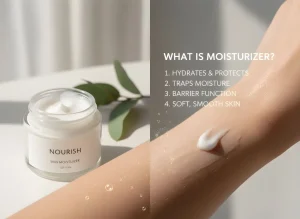
Think of a moisturizer as a protective shield for your skin. Your skin naturally produces oils and has a barrier called the stratum corneum, but this barrier can weaken due to harsh weather, over-cleansing, aging, or certain medical conditions. A moisturizer helps replenish that barrier, keeping the skin soft, supple, and resilient. Figuring out the difference between moisturizer and lotion can help you choose the best product for your skin
· On a related note, if you’ve been wondering whether body cream vs lotion, I’ve explained it in detail here: body cream vs lotion.
How Moisturizers Work
One of the most frequently debated skincare topics is whether to use a moisturizer vs lotion. Because moisturizers are made up of different types of ingredients that work together to improve hydration:
- Humectants
- Examples: Hyaluronic Acid, Glycerin, Urea, Aloe Vera
- Function: Attract water from the air or deeper skin layers into the surface layer of your skin.
- Best for: Dry, dehydrated, or flaky skin.
- Emollients
- Examples: Shea Butter, Squalane, Fatty Acids, Ceramides
- Function: Fill in tiny cracks on the skin’s surface, making it smoother and softer.
- Best for: Rough or textured skin.
- Occlusives
- Examples: Petrolatum, Mineral Oil, Beeswax, Lanolin
- Function: Form a barrier on top of the skin to prevent water from evaporating.
- Best for: Extremely dry or sensitive skin.
Types of Moisturizers
Not all moisturizers look or feel the same. Understanding Lotion vs Moisturizer allows you to choose what your skin really needs. So, depending on the base ingredients and consistency, they can be divided into several categories:
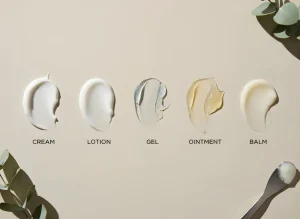
- Creams – Thicker, richer, and great for dry or mature skin.
- Lotions – Lightweight moisturizers (we’ll discuss these in detail later).
- Gels – Water-based, refreshing, and perfect for oily or acne-prone skin.
- Ointments – Thick, greasy formulas that lock in maximum moisture (great for eczema or cracked skin).
- Balms – Dense, waxy, and ideal for healing very dry areas like elbows, knees, or heels.
Why Moisturizers Are Essential for Healthy Skin
Lotion vs Moisturizer look alike, but their textures and uses are different. You might think moisturizing is optional, but in reality, it’s a core step in any skincare routine. Here’s why:
- Hydration balance: Prevents skin from drying out or becoming overly oily.
- Barrier repair: Strengthens the skin’s natural defense against irritants and pollutants.
- Anti-aging benefits: Keeps skin plump, reducing fine lines and wrinkles.
- Improved absorption: Helps other skincare products (like serums) work more effectively.
- Comfort: Prevents tightness, flaking, and irritation.
What is Lotion in Lotion vs Moisturizer?
If a moisturizer is the umbrella category, then a lotion is one of its most popular forms. Lotions are often lighter in texture compared to creams or ointments, making them a go-to choice for people who want hydration without heaviness. So Many people feel confused by the distinction between Lotion vs Moisturizer, but understanding the fundamentals makes things easier.
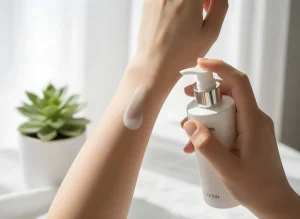
When you pick up a bottle of body or face lotion, you’ll notice it feels smooth, silky, and fast-absorbing. That’s because lotions contain a higher percentage of water compared to creams or balms, which gives them a thinner consistency.
But don’t let the lightweight texture fool you, lotions can still pack a punch when it comes to hydration and skin protection.
Key Ingredients in Lotions
In Lotion vs Moisturizer, Creams are richer, while lotions feel lighter on the skin. Lotions usually include a blend of hydrating and skin-soothing ingredients:
- Humectants – Hyaluronic Acid, Glycerin, Aloe Vera (to attract water into the skin).
- Light Emollients – Squalane, Dimethicone, Esters (to smooth skin without heaviness).
- Mild Occlusives – Light oils like Jojoba Oil or Grapeseed Oil (to lock in hydration without greasiness).
- Additional Benefits – Antioxidants (Vitamin E, Green Tea Extract) and calming agents (Chamomile, Oat Extract).
Types of Lotions
Just like moisturizers and lotions come in different formulations depending on use:
- Face Lotions – Lightweight, often oil-free, designed for daily wear under makeup or sunscreen.
- Body Lotions – Spreadable, cover larger areas, often enriched with vitamins or botanicals.
- Medicated Lotions – Contain ingredients like salicylic acid, lactic acid, or menthol for conditions like acne, keratosis pilaris, or itching.
- Fragrance Lotions – Lightly scented, mainly for cosmetic use (but not ideal for sensitive skin).
Benefits of Using Lotion
The difference between Lotion vs Moisturizer is determined by how dry or oily your skin feels. Lotions are particularly loved for their everyday versatility. Here are some key benefits:
- Lightweight hydration: Perfect for normal to slightly dry skin.
- Non-greasy feel: Absorbs quickly without leaving residue.
- Cooling effect: The water content makes it refreshing, especially in hot weather.
- Easy application: Ideal for quick, daily use over the entire body.
- Great for layering: Works well under sunscreen or makeup.
When Lotion May Not Be Enough
While lotions are fantastic for many skin types, they might not be sufficient for:
- Very dry or flaky skin (you’ll need a thicker cream).
- Winter months are when skin loses more moisture.
- Mature or aging skin that requires deeper nourishment.
- Skin conditions like eczema or psoriasis often need ointments or heavy creams.
In simple words: Lotions are your everyday hydration hero, while heavier creams and ointments are your rescue squad when your skin needs extra help.
Lotion vs Moisturizer — What’s the Real Difference?
For years, many people (myself included) thought moisturizer and lotion were simply two words for the same product. After all, both promise hydration, both come in sleek packaging, and both make skin feel softer. But here’s the truth:
All lotions are moisturizers, but not all moisturizers are lotions.
That’s the key. A moisturizer is the broad category, while lotion is a type of moisturizer. The difference lies in their formulation, texture, hydration level, and purpose.
Let’s break this down step by step.
Texture & Consistency
- Moisturizers (in general): Can range from light gels to rich creams and balms. Many feel heavier and more nourished because they contain more oils and emollients.
- Lotions: Always lightweight, fluid, and easy to spread. They sink into the skin quickly without leaving a greasy film.
Tip: If you hate sticky products, lotions will feel much more comfortable than heavy creams.
Hydration Strength
- Moisturizers: Designed to deliver deep, long-lasting hydration. Creams and ointments are especially helpful for dry, flaky, or aging skin.
- Lotions: Provide lighter hydration. They keep the skin soft, but may not be enough for extremely dry or cracked areas.
Think of it like this: lotion is your everyday drink of water, while a cream moisturizer is like a hearty meal for thirsty skin.
Water-to-Oil Ratio
This is the most technical difference:
- Moisturizers (creams/butters) → Higher oil content and lower water content.
- Lotions → Higher water content and lower oil content.
That’s why lotions are lighter and faster-absorbing, while creams feel richer and more protective.
Absorption Speed
- Moisturizers: Absorb more slowly, leaving a protective layer on the skin (sometimes slightly greasy).
- Lotions: Absorb almost instantly, leaving skin soft without residue.
This makes lotions great for daytime or warm weather, and moisturizers ideal for nighttime or dry winters.
Skin Type Match
- Moisturizers: Best for dry, sensitive, or mature skin. Also recommended for people with eczema, psoriasis, or flakiness.
- Lotions: Best for normal, combination, or mildly oily skin. Perfect for everyday use.
Face vs Body Use
- Moisturizers: Always better for the face, since facial skin is more delicate and often requires targeted hydration.
- Lotions: Generally intended for the body (arms, legs, torso). Some lotions are facial-safe, but many include fragrances or additives that may irritate sensitive facial skin.
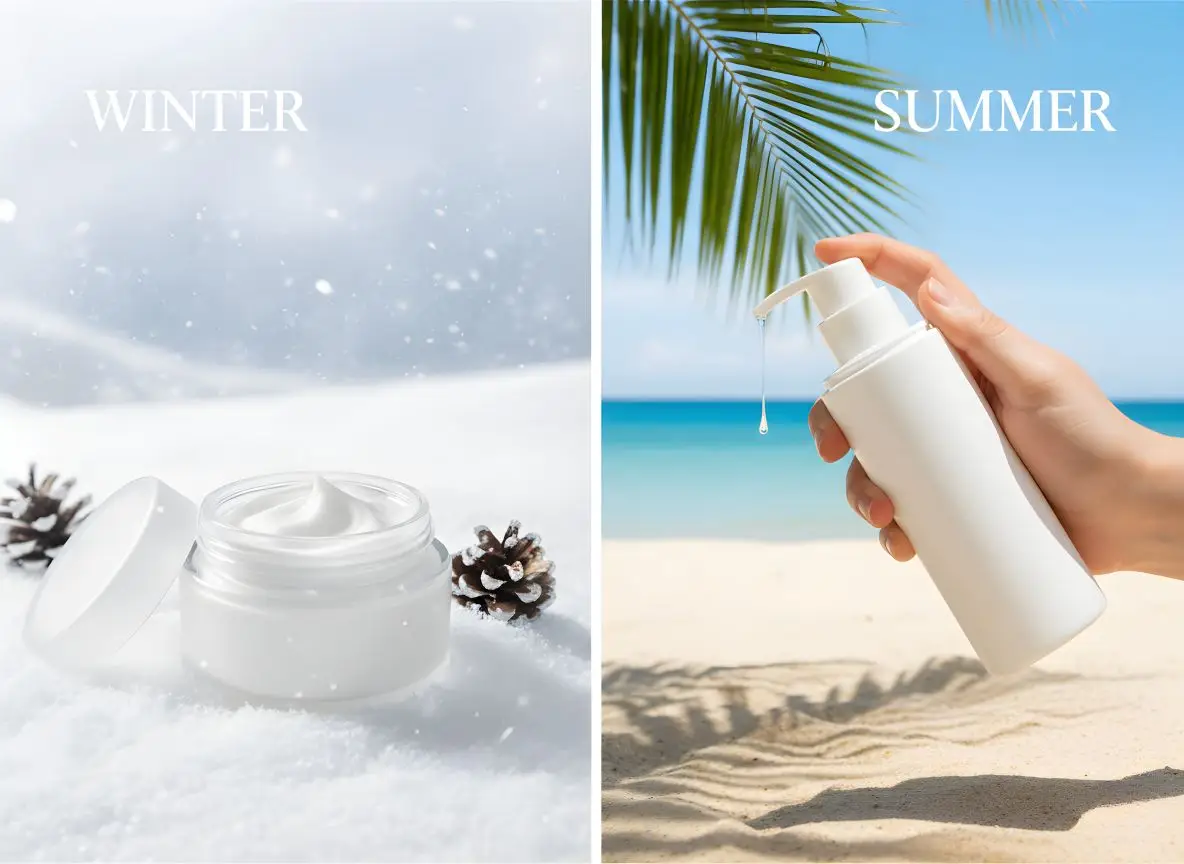
Seasonal Uses
- Moisturizer: Winter and colder climates, when skin needs stronger protection.
- Lotions: Summer and humid weather, when skin benefits from lighter hydration.
Everyday Practicality
- Moisturizers: Rich, nourishing, but sometimes heavy for all-day use.
- Lotions: Quick, convenient, and perfect for applying right after a shower or before heading out.
Comparison Table: Lotion vs Moisturizer
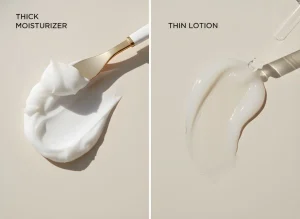
| Feature | Moisturizer (Creams/Butters) | Lotion (Lightweight) |
| Texture | Thick, creamy, or balm-like | Thin, fluid, spreadable |
| Hydration Level | Deep, long-lasting | Light, refreshing |
| Absorption | Slow, may feel heavy | Fast, non-greasy |
| Best For | Dry, sensitive, aging skin | Normal to mildly oily skin |
| Main Use | Face, dry patches, night care | Body, daytime hydration |
| Water Content | Lower | Higher |
| Oil Content | Higher | Lower |
| Season | Winter, cold weather | Summer, humid weather |
Quick Rule of Thumb
- Use lotion → for daily body care, warm weather, normal skin.
- Use moisturizer → for facial care, dry patches, nighttime, winter.
Frequently Asked Questions
1. What is the main difference between moisturizer and lotion?
Moisturizers are thicker, richer, and designed for deeper hydration and barrier repair. Lotions are lighter, water-based, and best for everyday hydration.
2. Can I use lotion instead of moisturizer for my face?
Usually not —because face lotions often lack the nourishing ingredients that facial skin needs, and many contain fragrances that irritate sensitive skin. Use a moisturizer specifically formulated for the face.
3. Which is better for dry skin?
A richer moisturizer — cream or balm — is best because it locks in moisture longer than lotion.
4. How often should I apply moisturizer or lotion?
- Face: Twice daily (morning and night).
- Body: At least once daily after showering, twice in colder weather.
5. Can I mix lotion and moisturizer in my routine?
Yes! Many people benefit from a hybrid approach — lotion for body hydration and moisturizer for targeted facial care.
6. Are there seasonal considerations?
Yes. Use lighter lotions in summer and richer creams in winter for optimal hydration.
7. How do I choose between cream, lotion, or gel moisturizer?
Base your choice on skin type, climate, and comfort preference.
- Cream → Dry skin, winter, sensitive areas.
- Lotion → Normal to slightly oily skin, warm weather.
- Gel → Oily or acne-prone skin.
8. What ingredients should I look for in moisturizers or lotions?
- Hydration: Hyaluronic acid, glycerin, aloe vera.
- Barrier repair: Ceramides, shea butter, squalane.
- Soothing: Oat extract, niacinamide, panthenol.
- Anti-aging: Peptides, vitamin C, retinol (night use).
9. Can using the wrong product damage my skin?
Not permanently, but it can cause dryness, irritation, clogged pores, or accelerated aging over time.
10. How do I make sure I’m applying moisturizer or lotion correctly?
- Apply on clean, slightly damp skin.
- Use the right amount — pea-sized for the face, a generous amount for the body.
- Layer correctly — serums first, moisturizer last.
Common Mistakes to Avoid
- Overusing moisturizer or lotion — More is not always better; it can clog pores.
- Skipping patch tests — Even a “gentle” product can cause irritation.
- Ignoring seasonal changes — Skin needs change, so should your products.
- Using body lotion on the face — It can cause breakouts and irritation.
- Neglecting sunscreen — Hydration alone won’t protect your skin from damage.
Final Thoughts
Choosing between Lotion vs Moisturizer isn’t a matter of brand hype or trendy skincare — it’s about understanding your skin. When you know your skin type, lifestyle, and environment, the choice becomes clear.
Moisturizers are best for deeper hydration, barrier repair, and treating skin concerns like dryness, sensitivity, or aging. Lotions work well for everyday hydration, especially for normal or oily skin and when you want something lightweight.
The real power comes from consistency — applying the right product regularly, not switching constantly. Think of your skincare routine as a relationship — it grows stronger with care and attention.
By applying the guidance from this article, you’ll not only keep your skin healthy and hydrated but also stop wasting time and money on products that don’t truly meet your needs.